
Navigating the Border: Why Fine Art Requires Specialized Customs Clearance
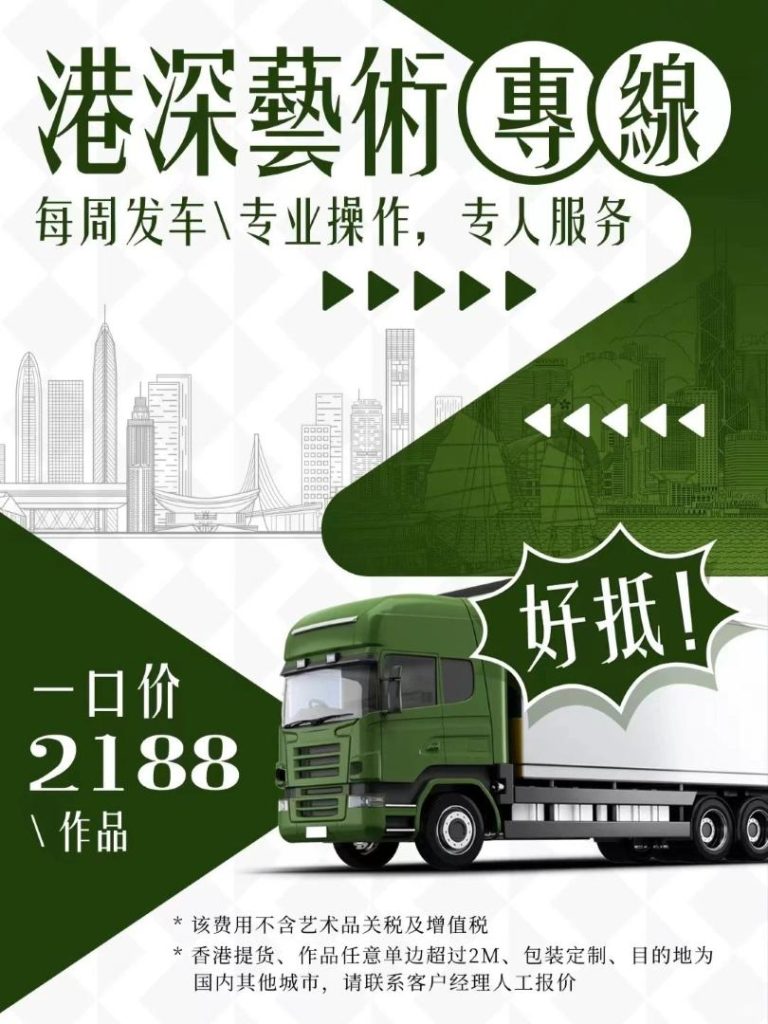
Hong Kong remains a vital gateway for art into Mainland China. However, moving high-value, fragile items like calligraphy and oil paintings across the border requires far more than standard shipping. The process of Importing Fine Art from Hong Kong to China is heavily regulated, primarily concerning valuation and cultural control.
Our dedicated cross-border services provide the expertise to manage this logistical challenge seamlessly.
I. Two Ways to Declare Art for Import
When planning your art delivery from Hong Kong to Shenzhen, you must choose one of two main declaration methods:
1. Personal Declaration (Reasonable Quantity for Self-Use)
This method is fastest for individuals carrying a small number of personal items.
- The Process: You must proactively declare the items to Customs by using the “Declaration Channel” (Red Channel).
- The Critical Limit: The art must be within a “reasonable quantity for self-use.” This is at the discretion of the Customs officer. If your quantity (e.g., several large oil paintings) is deemed excessive, you will be required to proceed with the General Trade process, which will cause significant delays.
2. General Trade Import Declaration
This is the mandatory route for all commercial shipments, gallery transfers, and personal collections exceeding the “reasonable quantity” limit. This is the safest and most compliant method for high-value fine art shipping.
II. The Key Requirement: The Art Import Permit
The single biggest hurdle in Chinese fine art import is securing the requisite permit.
- What it is: All imported artworks (including traditional Chinese calligraphy and paintings, sculptures, etc.) must obtain an Art Import Permit (or Cultural Permit) from the Ministry of Culture and Tourism (MCT) before the consignment can be formally declared to Customs.
- Why it Matters: The permit verifies that the art is not prohibited cultural material.
- Timeline: The application process is complex and can take several weeks or months. It must be initiated and approved before the artwork arrives at the port of entry.
III. Calculating China Import Tax on Oil Paintings and Art
Taxation is based on the item’s Customs Value (usually the invoice value). The total import tax consists of two components:
- Customs Duty (CD):
- Rate: 6% for most artworks, including oil paintings and contemporary Chinese paintings.
- Calculation: Dutiable Value × 6%.
- Import Value-Added Tax (VAT):
- Rate: 13%.
- Calculation: (Dutiable Value + Customs Duty) × 13%.
Professional Note on HS Codes: The specific tax rates depend on the correct classification of your art under the Harmonized System (HS) Code. Items like antique paintings versus contemporary digital prints have different codes and potential tariffs. An experienced Customs broker is essential for correct classification.
IV. Conclusion: Compliance Ensures Safety
Attempting to bypass the General Trade process for commercial or large-quantity shipments is the fastest way to invite severe customs penalties and delays for your art transportation.
To ensure your valuable pieces arrive safely and legally, partner with a logistics expert who understands the nuances of the Shenzhen-Hong Kong art logistics corridor. We handle the paperwork, the Art Import Permit application, and the specialized art handling so you can focus on your collection.
You need to log in to post a comment.
Log In