
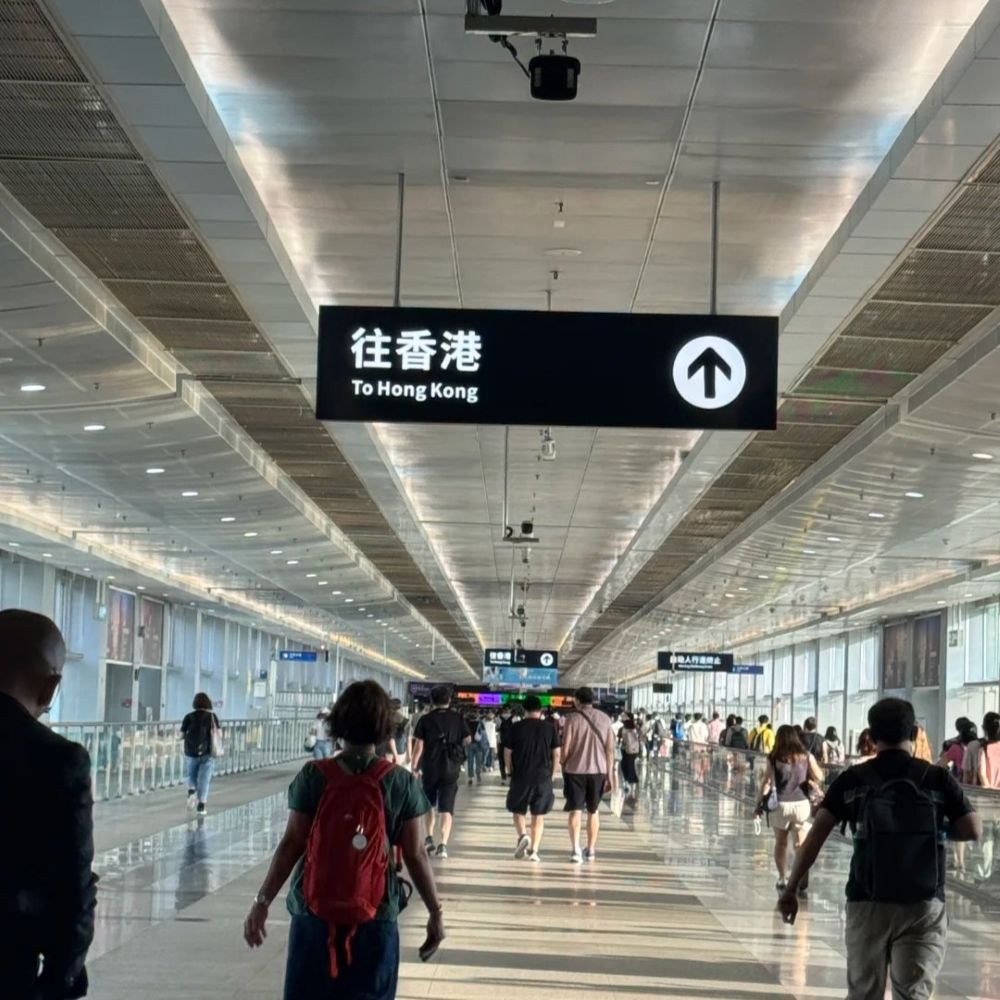
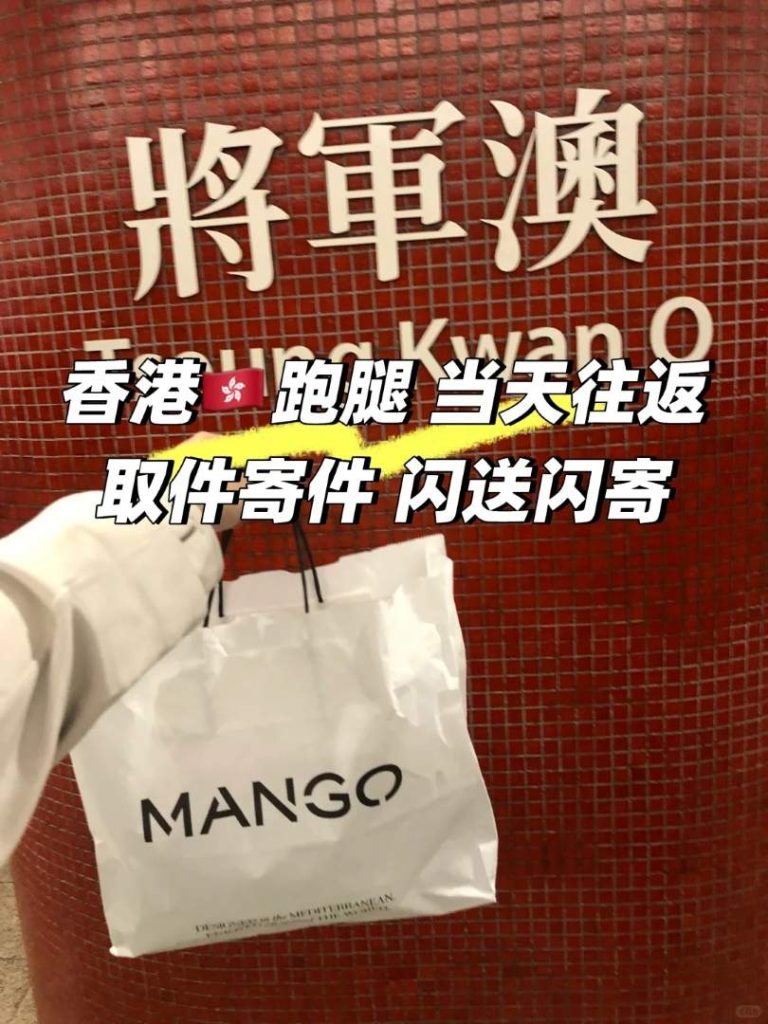
Thinking about doing Shenzhen-Hong Kong errands? Whether it’s delivery from Hong Kong to Shenzhen or point-to-point instant service, it seems simple—but miss key details, and you’ll either lose money or get detained at customs! I’ve been running Shenzhen-Hong Kong errands for over a year, serving hundreds of clients. Today, I’ll share all the mistakes I’ve made and tips I’ve learned—useful for both newbies and experienced runners!
1. Must-Have Gear Before You Go: Don’t Skip Anything!
- Octopus Card is a Must—Forget About QR Codes!Why Octopus Card? I’ve learned this the hard way over a year! Many buses, minibuses, and even some MTR exit amenities in Hong Kong don’t support WeChat Pay or Alipay QR codes. Without an Octopus Card, you’ll waste time waiting for change or asking the driver how to pay—super stressful when you’re in a hurry! All seasoned runners in my group have one. Top it up in advance (200 HKD recommended, enough for 2-3 trips) and use it directly at the border. You can buy it at 7-Eleven near Shenzhen borders or online in advance for a better deal—no last-minute rush.
- ~100 HKD Cash: Emergency Backup!Don’t rely solely on mobile payments! Some small street shops and food stalls in Hong Kong only take cash. If you’re hungry and want a sandwich or water, no cash means you’ll go hungry. It’s also handy for giving change to clients. No need to carry much—100 HKD is enough for emergencies. Exchange it at currency booths before crossing the border; the exchange rate difference is minimal.
- Power Bank + Hong Kong Data Card: No Power/Internet = Wasted Trip!Running errands means constant navigation—your phone battery drains fast! Once, I forgot my power bank and my phone died in Central, Hong Kong. I couldn’t see the client’s location and panicked on the street. I finally borrowed a charger from a convenience store—now I always bring a 20,000 mAh power bank, no matter how light I pack.Don’t skimp on a data card! Mainland SIM cards have no signal in Hong Kong. No internet means no communication with clients or navigation—your order is ruined! I use daily Hong Kong data cards (20-30 RMB/day) with fast 4G. Download it in advance, insert it after crossing the border, and you’re good to go. Avoid cheap, poor-signal cards—losing connection and missing the client’s location is way more trouble.
- Translation App + Large Backpack: Small Details Save the Day!Many elderly people in Hong Kong don’t speak Mandarin, and some Filipino helpers only understand English. Without a translation app, you’ll be talking past each other! I always use Youdao Translation, with offline packs downloaded (works without internet). Type what you need to say, translate it to Cantonese or English, and they’ll understand instantly—better than gesturing!Bring a large backpack! Several times, I got a last-minute 顺路 (detour) order while already on a run. Without a backpack, I had to hold items in my arms—tiring and easy to lose. A roomy backpack fits extra items, so you don’t have to make two trips.
2. Cost Basics: Transport, Deposits & Minimum Fees (Don’t Lose Money!)
- ~150 RMB Round-Trip Transport: Calculate Costs First!Whether you use Futian Port, Luohu Port, or Shenzhen Bay Port, round-trip MTR and bus fares are about 150 RMB. Include this in your quote—don’t undercharge and lose money.
- Mandatory Deposit: At Least 200 RMB to Avoid Wasted Trips!This is a hard lesson from seasoned runners! I once saw a newbie skip the deposit—they went to Hong Kong, and the client suddenly said “I don’t want it anymore.” They lost all transport and time costs, with no one to blame. Always ask for a deposit (minimum 200 RMB) before accepting an order. Confirm the order, then leave. Even if the client cancels last minute, you’ll cover some costs.
- Don’t Charge Too Little: Time is Valuable!Shenzhen-Hong Kong errands aren’t short deliveries. A trip takes 4-5 hours minimum, sometimes 6-7—most time is spent waiting at the border or traveling. Charging too little (e.g., 100-200 RMB per trip) means no profit after transport costs—it’s a waste of time. Be clear with clients: quote based on distance and package weight. Don’t do unprofitable work!
3. Customs Pitfalls: Prohibited Items & Overquota Declaration (Detention is Real!)
- Never Bring Prohibited Items: Check Customs Website First!This is a red line! No matter how nice the client is, refuse prohibited items: flammables, drugs, controlled knives, fresh meat, some medicines (e.g., cold meds with ephedrine). These are on the customs prohibited list—check the official website in advance. Ask clients to send photos of items before accepting—confirm no prohibited goods.Tell clients upfront: If they hide prohibited items and customs finds them, they still owe you the errand fee. You’re not responsible for seized goods, and serious cases will be reported to the police. Don’t be shy to clarify—avoid disputes later.
- Declare Overquota Items: “Not Prohibited” Doesn’t Mean “Unlimited”!Many newbies think “if it’s not prohibited, bring as much as you want”—big mistake! For example, 10+ skincare bottles or several boxes of face masks—even for personal use, exceeding “personal use limits” counts as overquota and requires declaration. I saw someone bring 8 boxes of health supplements without declaring—customs detained them for over 2 hours, and the goods were sent back to Hong Kong. They wasted time and missed other orders.How to judge overquota? Ask: “Would I bring this much for personal use?” 3-5 skincare bottles are fine; 20 is definitely over. Communicate with clients—if overquota, have them declare first or split the delivery into multiple trips. Don’t take chances!
4. Communication & Location: Avoid Wrong Turns & Misunderstandings
- Get a Location Pin Before Leaving: Hong Kong Has Duplicate Addresses!Many streets and residential buildings in Hong Kong have the same name—sometimes in different districts! Once, I didn’t ask for a pin; the client said “Mong Kok XX Building,” but I went to Mong Kok East, while they were in Mong Kok West. I wasted an hour backtracking, almost missing the deadline. After accepting an order, ask clients for a precise pin (WeChat or Google Maps). Confirm the location before leaving—don’t rely on just the name.
- Stay in Touch: Let Clients Know Your Progress!Before crossing the border: “I’m about to cross—arriving in ~1 hour.” After reaching Hong Kong: “I’m at XX Station—20 minutes away.” This keeps clients from worrying and avoids you arriving to an empty spot. If there’s traffic or a long border queue, update them—mutual understanding prevents conflicts.
5. Insider Tips from a Seasoned Runner
- Avoid peak hours (weekends, holidays) at the border—fewer people mean less waiting time.
- Bring snacks and water—you won’t have time to eat during runs.
- Save the customs prohibited items link and Hong Kong emergency number (999) on your phone—quick access for problems.
- Join Shenzhen-Hong Kong errand groups—ask veterans for advice and pick up detour orders to boost efficiency.
I’ve gone from a newbie to a steady monthly runner in over a year—all thanks to these details. Prepare the right gear, avoid pitfalls, and you’ll make extra money without trouble. If you need point-to-point Shenzhen-Hong Kong errand service or more tips, feel free to contact me—I’m reliable above all!
You need to log in to post a comment.
Log In