
So, here is the situation: You love living in China. You enjoy the convenience, the culture, and the lifestyle. But there is one massive headache looming over you—the visa.
Maybe you are a freelancer, a digital nomad, or an aspiring entrepreneur. You want to stay long-term, but you don’t have a local employer to sponsor your work permit. I’ve met so many friends in Shanghai and Shenzhen who were ready to pack their bags because they thought, “No job offer means no visa.”
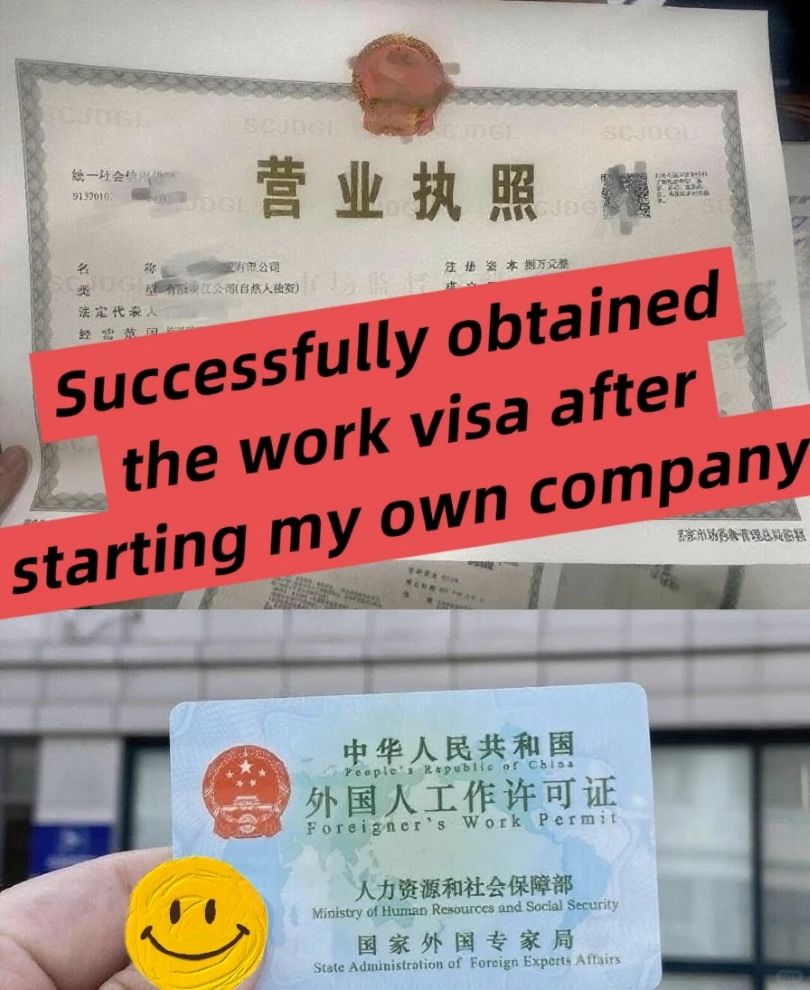
Stop packing. There is a legitimate, completely legal workaround that many expats are using right now: Self-Employment via Company Registration.
Today, I’m going to walk you through exactly how to become your own boss and sponsor your own visa. It’s not as expensive or scary as you might think.
The Myth: “I Need Millions to Start a Company”
Let’s clear this up first. Years ago, registering a WFOE (Wholly Foreign-Owned Enterprise) required a massive amount of registered capital.
Good news: Policies have changed.
- Low Cost: The actual cost to register is surprisingly low.
- No Paid-in Capital: You generally don’t need to inject a huge sum of money immediately. It’s a subscription capital system.
- Virtual Addresses: Don’t have an office? You can use a “proxy address” for registration in many zones.
Step 1: Registering Your “Vehicle” (The Company)
Before you get the visa, you need the sponsor. In this case, the sponsor is your company.
- Define Your Scope: Decide on your business name and what you’ll do (Consulting, Trading, IT, etc.).
- The Address Trick: If you are currently overseas or simply don’t want to rent an expensive office yet, you can use a registered address service to get your Business License.
- Open the Bank Account: Once your license is out, you’ll need a corporate bank account. Note: This often requires the legal representative to be present.
Pro Tip: Dealing with government paperwork when you aren’t physically in the city can be a nightmare. If you need someone to pick up your business license or submit physical documents to the Administration for Market Regulation, check out our Shenzhen Document Submission Services. We can be your legs on the ground.
Step 2: Getting Qualified to Hire Foreigners
Just having a company isn’t enough. Your company needs permission to hire you.
- Register on the SAFEA System: Go to the “Service System for Foreigners Working in China” (fwp.safea.gov.cn).
- Submit Company Docs: Upload your new Business License, the Legal Rep’s passport, and authorization letters.
- Wait for Approval: This usually takes 3-5 working days.
Step 3: The Visa Application Process (The “Z” Visa)
This is where it gets personal. You are now wearing two hats: the Employer (Company) and the Employee (You).
If You Are Outside China:
- Apply for a “Notification Letter of Foreigner’s Work Permit” online.
- Take this letter to the Chinese Embassy in your country to get a Z Visa (Entry Visa).
- Fly to China!
If You Are Inside China:
Some cities allow you to switch directly to a work residence permit without leaving. Check local policies!
Required Documents Checklist:
- Passport (valid for >6 months).
- Non-Criminal Record Check (from your home country, authenticated).
- Highest Degree Certificate (authenticated/legalized).
- Medical Exam Report (from a designated China hospital).
- Work Experience Proof (2+ years usually required).
The Biggest Hurdle: Document Authentication
Here is where 90% of people get stuck. Your degree and criminal record check must be notarized and authenticated by the Chinese Embassy in your home country.
If you are already in China, flying back home just to get a stamp on a piece of paper is expensive and time-consuming.
Need help with documents? If you have paperwork stuck in government offices or need help retrieving authenticated documents in China or Hong Kong, our China/HK Document Proxy Service can handle the logistics for you. Don’t waste a flight ticket on a simple errand.
Step 4: The Final Stretch
Once you have your Z Visa and are in China:
- Medical Check: Go to the International Travel Healthcare Center.
- Work Permit Card: Apply for the physical card.
- Residence Permit: Go to the Exit-Entry Administration Bureau (PSB) to get the final “Work-Type Residence Permit” stuck in your passport.
Conclusion
Is it paperwork-heavy? Yes. Is it worth it? Absolutely. By registering your own company, you gain control over your visa status and open the door to doing business legally in China.
If you are ready to start but the logistics of moving documents between government offices scares you, remember that Zerrand is here to help with the physical legwork. We run the errands so you can run your business.



You need to log in to post a comment.
Log In